
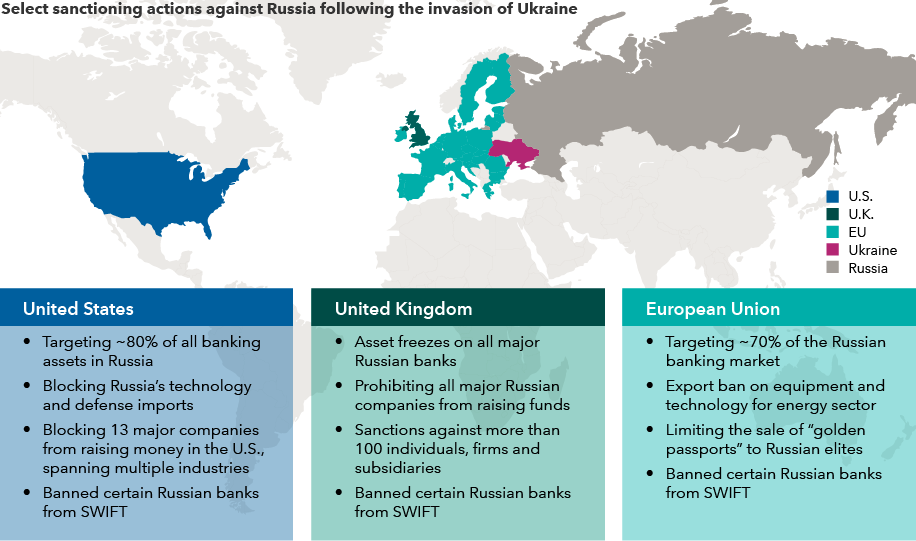
Understanding Asset Freezes and Sanctions in the Context of Human Rights Violations
Asset freezes and sanctions are critical tools employed by governments and international organizations to address human rights violations. These measures aim to hold accountable those responsible for atrocities while also alleviating suffering. This article explores the implications of these financial mechanisms, illustrating their role in promoting justice and human rights protections. For a detailed exploration of Asset Freezes & Sanctions Human Rights Violations, it’s essential to understand the broader context in which these sanctions are applied.
The Mechanisms of Asset Freezes and Sanctions
Asset freezes occur when a government or international body restricts access to an individual’s financial resources. This is often part of broader sanctions regimes that may include travel bans and trade restrictions. Primarily, these measures aim to disrupt the financial networks of individuals accused of human rights violations or other serious crimes. These sanctions can be imposed unilaterally by individual countries or multilaterally through organizations such as the United Nations (UN).
Types of Sanctions
Sanctions can take various forms, including:
- Comprehensive Sanctions: Broad restrictions that affect an entire country. These are often implemented during conflicts or in response to severe human rights abuses.
- Targeted Sanctions: Specific measures directed at individuals, entities, or organizations. These sanctions are tailored to minimize humanitarian impacts while holding culprits accountable.
- Diplomatic Sanctions: Measures that limit or sever diplomatic ties, impacting international relations.
- Trade Sanctions: Restrictions on imports and exports to or from a sanctioned country, aiming to influence government behavior.
The Rationale Behind Asset Freezes and Sanctions
The objectives of asset freezes and sanctions vary, but they generally revolve around the following principles:
- Accountability: Sanctions are a means to hold violators of human rights accountable for their actions.
- Deterrence: Imposing sanctions can deter individuals and states from committing further abuses.
- Support for Human Rights: Sanctions can signal international condemnation of human rights violations, reinforcing the principle of respect for human dignity.
Case Studies of Asset Freezes in Action
There are numerous instances where asset freezes have played a significant role in addressing human rights violations:
- The Central African Republic: In response to extreme violence and human rights violations, multiple countries have imposed sanctions on leaders and rebel groups. Asset freezes have significantly impacted their ability to finance armed conflict.
- Syria: Following the outbreak of civil war in Syria and the regime’s use of chemical weapons against civilians, the international community imposed targeted sanctions. Asset freezes against high-ranking officials were intended to weaken the government’s capacity to continue such actions.
- Myanmar: Following the military coup in 2021 and the subsequent suppression of protests, the US, EU, and various countries implemented sanctions targeting military leaders and their economic interests.
The Impact on Human Rights and Affected Communities
While asset freezes and sanctions aim to protect human rights, their effectiveness can be a subject of debate. On one hand, these measures help curb the actions of violators. On the other hand, they can have unintended consequences, particularly affecting the civilian population in targeted countries.
Challenges and Criticism of Sanctions
Critics argue that sanctions may exacerbate humanitarian crises by restricting access to essential goods and services. These concerns are particularly pertinent in scenarios where asset freezes impact funds allocated for public welfare programs. Thus, efforts must be made to ensure that sanctions do not undermine humanitarian objectives.
The Role of International Law
International law plays a pivotal role in the implementation of sanctions and asset freezes. The United Nations Security Council (UNSC) often mandates sanctions to maintain or restore international peace and security, following the principles established in the UN Charter. Additionally, international human rights laws provide a framework guiding the imposition of sanctions to ensure accountability while safeguarding the rights of civilians.
Effectiveness of Sanctions
The effectiveness of sanctions can be measured in several ways, including their ability to change the behavior of targeted individuals or governments. Research shows that while sanctions can create pressure and incentivize negotiations, their success often relies on comprehensive diplomatic efforts and the commitment of the global community.
Future of Asset Freezes and Sanctions
As the landscape of international relations continues to evolve, the mechanisms of sanctions and asset freezes will also adapt. Global challenges such as climate change, cyber threats, and emerging authoritarianism demand that the international community revisits and potentially refines its approach to sanctions.
Investing in multilateral coalitions and ensuring transparency and accountability in sanctions implementation will be critical in enhancing their effectiveness. Additionally, alternative measures of accountability, including truth commissions, reparations, and support for NGOs working on the ground, should be integrated into broader strategies to address human rights violations.
00058-0/asset/feb575d2-10ce-4b2c-abe0-61fcada02b15/main.assets/gr2_lrg.jpg)
Conclusion
Asset freezes and sanctions serve as important instruments for promoting human rights and holding violators accountable. While their execution may pose challenges, their role in the international legal framework remains significant. The interplay of justice and human welfare demands careful consideration, ensuring that the pursuit of accountability does not overshadow the imperative of protecting vulnerable populations.
Recent Comments